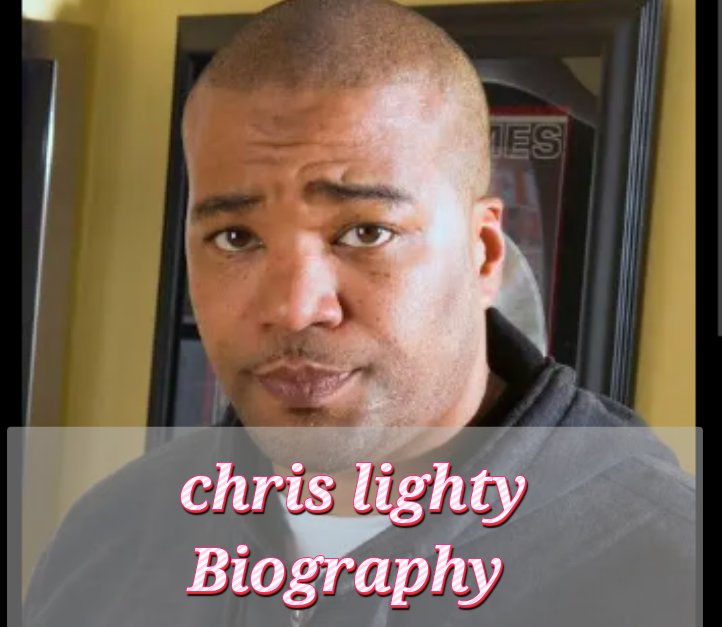
Chris Lighty Biography
Chris Lighty stood out as a key figure in the music world, especially in hip-hop. He helped shape the careers of many top artists and changed how music and business mixed. Born in the Bronx, New York, on May 8, 1968, Lighty grew up in a tough area but turned his experiences into success. He founded Violator Management, which became a big name in artist management and marketing. His work included big deals, like the one that earned 50 Cent millions from Vitamin Water. Lighty passed away on August 30, 2012, at age 44, leaving behind a strong mark on the industry.
His story shows how someone from humble beginnings can rise to the top. Lighty bridged street culture with big companies, making hip-hop more mainstream. He managed stars like Busta Rhymes, Missy Elliott, and Mariah Carey. His ideas on branding helped artists make money beyond music sales. This biography looks at his life, from early days to lasting impact, to help readers understand his role in hip-hop history. It covers key parts like his family, work achievements, and the questions around his death. By reading this, people can learn about resilience, smart business moves, and the challenges of fame in music.
Lighty’s influence went beyond deals. He inspired many in the industry to think big. His work showed how hip-hop could grow into a global force. Terms like hip-hop pioneer and music manager fit him well. He worked with people like Russell Simmons and Mona Scott-Young, building a network that shaped modern music. This article aims to educate on his journey while keeping things simple and clear.
Chris Lighty Early Life
Chris Lighty, whose full name was Darrel Steven Lighty, entered the world in the Bronx, New York, on May 8, 1968. He grew up in the Bronx River Housing Projects, a place known for its challenges during the 1970s and 1980s. Raised by a single mother with five siblings, Lighty learned early about hard work and survival. The Bronx at that time saw the birth of hip-hop, with events like DJ Kool Herc’s parties influencing young people.
The area had issues like poverty and crime, but it also sparked creativity. Lighty got involved in local groups, including a gang that later inspired the name Violator for his company. These experiences built his toughness and street smarts, which helped in his career. He saw hip-hop grow from block parties to a major culture. This background taught him about community and hustle, key traits for success in music.
As a kid, Lighty absorbed the energy of the streets. He watched DJs and rappers perform, which sparked his interest in music. His family life was closeknit despite the hardships. Siblings like his brother Dave Lighty shared the ups and downs. This early phase set the stage for his future, showing how environment shapes ambition. Readers can see how starting in a project like Bronx River pushed him to aim higher.
Lighty’s youth included learning from real life more than books. He carried records for DJs, getting a taste of the industry. This hands-on start was common in hip-hop origins, where many pioneers came from similar spots. His story reminds us that beginnings do not define endings, but they can fuel drive.
Chris Lighty Education
Lighty went to Samuel Gompers High School in the Bronx. He did not attend college after that. Instead, he relied on what he learned on the streets and through early jobs. This path was typical for many in hip-hop who built careers without formal degrees.
His education came from real-world experiences, like helping DJs and seeing how music worked. He gained skills in networking and business from these moments. While some might see no college as a setback, for Lighty, it meant jumping straight into work. He credited his success to practical knowledge over classroom lessons.
This approach worked well in the fast-paced music field. Many successful people in entertainment share this story, focusing on talent and grit. Lighty’s high school years likely included exposure to local music scenes, blending learning with passion.
Chris Lighty Personal Life
Lighty valued family amid his busy career. He married Veronica Lighty in 2003. They had children, including a son born in 2007. He also had kids from earlier relationships, like daughters Deja and Tiffany, both born in 1995. In total, he had six children. His brother Dave Lighty was close to him.
Life brought challenges, like money issues with the IRS, owing up to $5 million at one point. He sold property to help pay it off. His marriage faced ups and downs, with Veronica filing for divorce in 2011, though it was later withdrawn. These personal matters showed the pressures of his high-profile job.
Despite this, Lighty tried to balance work and home. He lived in Riverdale, Bronx, at the end. His family life highlighted the human side of a music mogul. Readers can relate to how fame affects personal bonds. Lighty aimed to be a good father, passing on lessons from his own upbringing.
His relationships extended to friends in the industry, but family stayed core. This part of his life adds depth to understanding him beyond business deals.
Chris Lighty Net Worth
Estimating Lighty’s net worth is tricky since exact numbers were not public. His big deals, like the Vitamin Water one for 50 Cent, suggest he built wealth through commissions and ventures. As head of Violator Management, he earned from managing top artists.
He faced debts, including taxes, but his work with brands and records likely put his value in the millions. Deals like endorsements brought in steady income. His merger with Primary Wave also added to his assets.
Lighty’s story teaches about building wealth in music, focusing on smart partnerships. While not a billionaire, his impact created lasting financial paths for others.
Chris Lighty Career
Lighty’s career started small but grew big. He began carrying crates for DJ Red Alert, learning the ropes. Then, he joined Rush Artist Management under Russell Simmons and Lyor Cohen. This gave him insight into managing artists.
In 1996, he co-founded Violator Management with Mona Scott-Young. It handled management, marketing, and production. Clients included A Tribe Called Quest, Nas, Mobb Deep, Busta Rhymes, Missy Elliott, LL Cool J, 50 Cent, Mariah Carey, and Sean Combs.
He secured key endorsements. For example, LL Cool J’s Gap ad in 1997, A Tribe Called Quest’s Sprite deal, Busta Rhymes’ Mountain Dew partnership, and Diggy Simmons’ AT&T collaboration. The standout was 50 Cent’s Vitamin Water deal in 2004, which paid $100 million when Coca-Cola bought Glaceau in 2007.
Other steps included starting Violator Allstar DJs in 2002, launching pleaselistentomydemo.com in 2011, and merging with Primary Wave to create Primary Violator. He worked at Def Jam, Jive, and Loud Records. He was an executive at Brand Asset Group and appeared in the video game Def Jam: Fight for NY as Baby Chris.
His approach changed hip-hop by linking artists with brands. This helped music go mainstream and artists earn more. Lighty focused on development, guiding talents to success.
Here is a list of key deals he brokered:
Artist: LL Cool J, Brand: Gap, Year: 1997, Outcome: First major hip-hop clothing endorsement.
Artist: A Tribe Called Quest, Brand: Sprite, Year: Not specified, Outcome: Boosted visibility in ads.
Artist: Busta Rhymes, Brand: Mountain Dew, Year: Not specified, Outcome: Energetic campaign fit his style.
Artist: Diggy Simmons, Brand: AT&T, Year: Not specified, Outcome: Tech partnership for young artist.
Artist: 50 Cent, Brand: Vitamin Water, Year: 2004, Outcome: $100 million payout after acquisition.
These show his skill in matching artists with opportunities. His career teaches about innovation in music business.
Lighty revolutionized how hip-hop artists built brands. He saw potential in crossovers, like music and products. This mindset helped hip-hop dominate charts and culture. His work at Violator set standards for management. By focusing on long-term growth, he ensured artists had stable incomes. Readers can learn from his strategies, like negotiating fair deals and spotting trends.
He also ventured into other areas, like online platforms for new talent. This showed his forward thinking. In a changing industry, Lighty adapted, from vinyl to digital. His roles at major labels gave him broad experience. Overall, his career spanned decades of impact.
Chris Lighty Controversies
Lighty’s death on August 30, 2012, sparked questions. He was found in his Riverdale apartment with a gunshot wound, ruled as suicide by officials after an argument with his wife.
Family and friends doubted this. Brother Dave Lighty and artists like 50 Cent and Papoose called for more checks. 50 Cent hired investigators, and there were requests for a second autopsy due to quick rulings.
Talks linked his death to industry ties, including Sean Combs. These remain unproven. The case highlights pressures in music, like stress and finances.
This part of his story raises awareness about mental health. It shows how public figures face hidden struggles. The official report stands, but doubts persist among close ones.
Chris Lighty Legacy
Lighty’s mark on hip-hop lasts. He showed artists how to be entrepreneurs, influencing Jay-Z, Drake, and Travis Scott. His branding work helped hip-hop go global.
Peers like Russell Simmons called him a hero. Tributes continue, like on anniversaries. Violator’s model lives on in management.
His life teaches about overcoming odds and innovation. Discussions on his death tie to industry issues. Lighty paved ways for diverse voices in music.
Readers can draw lessons on business and perseverance. His influence shapes today’s artists and deals.
Conclusion
Chris Lighty’s path from Bronx projects to music power shows grit and vision. He built Violator, made landmark deals, and faced personal tests. His death left questions, but his legacy inspires. This biography highlights his role in hip-hop’s growth. Explore his artists’ work to see his impact. Remember, success comes from smart choices and hard work.
FAQs
Who was Chris Lighty?
He was a music executive who founded Violator Management and managed top hip-hop artists.
What did Chris Lighty do?
He managed artists, brokered deals, and bridged hip-hop with brands.
What is Violator Management?
A company he co-founded for artist management and marketing.
Who was Chris Lighty’s wife?
Veronica Lighty, married in 2003.
What was Chris Lighty’s net worth?
Not exact, but likely millions from deals and management.
How did Chris Lighty die?
Ruled suicide by gunshot on August 30, 2012.
Did Chris Lighty commit suicide?
Official ruling yes, but family questioned it.
What was Chris Lighty’s impact on hip-hop?
He pioneered branding and entrepreneurship for artists.