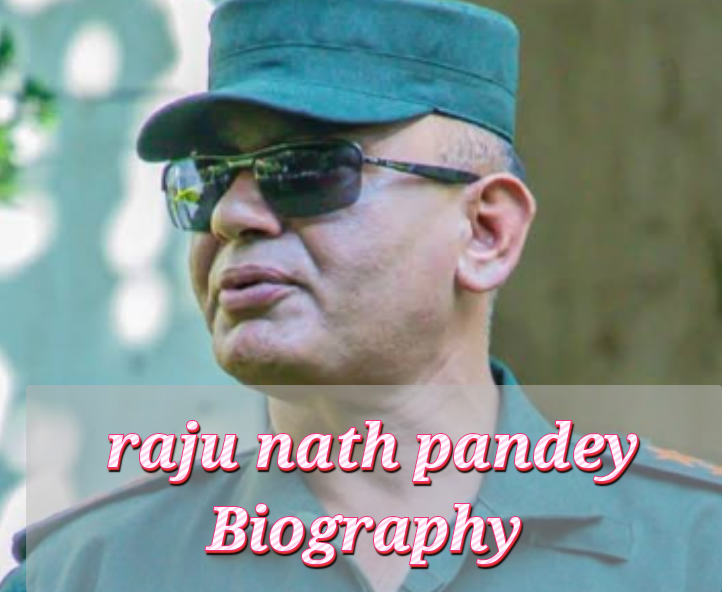
Raju Nath Pandey Biography
Raju Nath Pandey is a well-known figure in Nepal who has moved from a career in law enforcement to politics. He served as the head of the police force in Kathmandu, the capital city, and later joined a new political party to run for office. His story shows how someone from a simple background can rise to important roles in public service. Born in a rural area, Pandey worked hard to build a life focused on helping his community. He faced challenges, including job suspensions and legal issues, but he kept going. In 2026, he won a seat in Nepal’s parliament, showing his ability to connect with people. This biography looks at his life to help readers understand how public leaders in Nepal work and the changes happening in the country’s government. Many people search for details about him because of his link to popular leaders like Mayor Balen Shah and his win against a strong rival. His journey teaches about hard work, facing problems, and serving the public in a growing democracy like Nepal.
Pandey’s life started in a small district, but he made his mark in the busy city of Kathmandu. He is about 55 years old now, and his work has touched urban safety and now national politics. Readers interested in Nepal’s recent elections or city management will find his story useful. It covers his family roots, school years, job path, tough times, and what he might do next. By reading this, you can learn about how Nepal’s system mixes local police with bigger political goals. His move to the Rastriya Swatantra Party, or RSP, highlights a shift toward new ideas in Nepali politics. This party focuses on change and has gained support from young voters. Pandey’s win in the 2026 elections is part of this wave, making him a symbol of fresh leadership.
Raju Nath Pandey Early Life
Raju Nath Pandey He was born on May 26, 2027 in the Bikram Samvat calendar, which matches around 1970 in the common calendar used worldwide. He grew up in Nuwakot, a district in central Nepal known for its hills and farming communities. Nuwakot is not far from Kathmandu, but life there is quieter and tied to the land. As a child, Pandey likely saw the daily struggles of rural families, like working in fields or dealing with limited schools and roads. This setting shaped his views on duty and helping others. His father, Oj Lal Pandey, played a big role in his early years, teaching him values like honesty and hard work. Details about his mother are not widely shared, but family life in such areas often centers on close ties and support.
Growing up in Nuwakot meant Pandey experienced Nepal’s mix of tradition and change. The district has historic sites, like old forts, but also faces issues like poor access to jobs. As a young boy, he might have helped at home or played in the local areas, learning about community needs. This background pushed him toward public service later. By his teens, Nepal was going through political shifts, like the end of absolute monarchy, which could have sparked his interest in rules and order. He moved to bigger places for better chances, showing early determination. Today, at around 56 years old in 2026, he looks back on these roots as the base for his career. Readers can see how starting in a small place like Nuwakot leads to big roles, a common story in Nepal where many leaders come from outside the capital. His early life reminds us that strong family and local values help in facing life’s ups and downs.
Raju Nath Pandey Education
Pandey pursued his studies with focus, earning a master’s degree, known as snatakottar in Nepali. This level of education is high for someone from a rural area like Nuwakot, where not everyone gets such chances. He likely studied subjects related to management or law, which helped in his police work. Nepal’s education system includes schools up to grade 10, then college for higher levels. Pandey would have gone through this, perhaps attending local schools first and then moving to Kathmandu for advanced classes. His degree shows commitment, as many in Nepal stop earlier due to costs or family needs.
Education played a key part in his path to leadership. In Nepal, public jobs often require good qualifications, and his master’s opened doors to roles in government. It taught him skills like planning and understanding rules, useful in policing cities. For readers, this section highlights how learning builds careers in public service. Many ask about his schooling because it ties to his smart decisions in tough jobs. Without fancy schools, he succeeded through effort, a lesson for young Nepalis aiming for similar paths. His education also fits Nepal’s push for more trained officers in local forces, started after new laws in the 2020s. Overall, it prepared him for the demands of urban management and now politics.
Raju Nath Pandey Personal Life
Pandey keeps his personal life private, focusing more on work. He is married to Ganga Pant, sometimes listed as Ganga Panta in records. They share a life built on Nepali family values, like respect and support. Details about children are not public, respecting their privacy. As a family man, he balances duties at home with public roles. Coming from Nuwakot, he likely values traditions, such as festivals or community events. His spouse stands by him through career changes, from police to politics.
In Nepal, public figures often blend family with service, and Pandey seems to do this. He might enjoy simple hobbies, like reading or community talks, though not much is shared. This privacy helps him stay focused. Readers curious about his life can see he represents many Nepalis who prioritize family amid busy jobs. His personal side shows strength in facing controversies, with home as a steady base. It adds a human touch to his story, reminding us leaders have everyday lives too.
Raju Nath Pandey Net Worth
Information on Raju Nath Pandey’s net worth is not openly available, as he comes from a public service background where salaries are modest. In Nepal, police chiefs like him earn around 50,000 to 100,000 Nepali rupees per month, based on rank and experience. As a senior superintendent, his pay would include allowances for housing or travel, but not lead to great wealth. Politicians in Nepal must declare assets when running for office, but specific numbers for Pandey are not detailed in public records. His move to politics in 2026 might require more disclosures, but so far, no big fortunes are linked to him.
Compared to other Nepali leaders, his worth is likely average, focused on savings from work rather than business. No reports suggest large properties or investments. This fits his image as an honest servant. For readers, understanding net worth helps see if leaders stay true to public roles. In Nepal, laws aim to prevent corruption, so figures like Pandey keep things transparent. Without exact figures, we can say his value lies more in service than money. This section educates on how public jobs in Nepal limit wealth building, encouraging trust in officials.
Raju Nath Pandey Career
Pandey’s career began in public service, leading to his key role as chief of Kathmandu Metropolitan City Police. He joined under laws adjusting employees to city needs, rising to senior superintendent. In this job, he handled urban issues like traffic, safety, and order in busy Kathmandu. He worked closely with Mayor Balen Shah on city improvements, earning notice for strong leadership. His time as chief, starting around 2023, focused on good governance and community trust.
In January 2026, he resigned to enter politics, effective January 18. He joined the Rastriya Swatantra Party, RSP, and ran for parliament from Kathmandu Constituency 3. On March 6, 2026, he won with 18,757 votes, beating Kulman Ghising who got 11,171. This victory marked RSP’s strong showing in elections. His career shift shows how police experience aids politics, especially on safety issues. Readers can learn about Nepal’s municipal police, formed under the 2023 Act, which gives cities more control. Pandey’s path inspires those in service jobs to aim higher, adding value to Nepal’s changing system.
Raju Nath Pandey Controversies
Pandey faced several issues during his police tenure. In June 2025, he was suspended for six months by Chief Administrative Officer Saroj Guragain. This came after Pandey blocked Guragain from his office on April 3, 2025, reportedly on Mayor Shah’s orders. The suspension used the Municipal Police Act 2023, citing poor explanation. He challenged it in Patan High Court, which first stopped the suspension on June 18, 2025, letting him return to work. But on October 29, 2025, the court rejected his plea, keeping the suspension.
Earlier, in December 2022, a probe started after a complaint of workplace harassment from a female officer. In May 2024, a case was filed against him and Mayor Shah for assault and robbery by a news editor. These events highlight tensions in city governance, between mayors and officers. Pandey defended his actions as duty-bound. For readers, this shows challenges in Nepal’s local power setup, teaching about accountability. He moved past these to win in politics, proving resilience.
Raju Nath Pandey Legacy
Pandey’s legacy is building as a bridge from police to politics. His police reforms helped Kathmandu’s safety, inspiring trust. Winning in 2026 as part of RSP’s rise shows his appeal to voters wanting change. He represents honest service amid Nepal’s shifts. Future roles might include higher posts, like minister, focusing on law and cities. His story encourages young Nepalis in public jobs. It adds to Nepal’s democracy by showing diverse paths to power.
Conclusion
Raju Nath Pandey’s life from Nuwakot to parliament seat teaches about effort and service. He faced hurdles but succeeded, winning in 2026. His story educates on Nepal’s systems and inspires change. As RSP grows, he may shape more policies. This biography offers clear insights for readers seeking facts on his path.
FAQs
Who is Raju Nath Pandey?
He is a former police chief who became a politician, winning from Kathmandu-3 in 2026 for RSP.
What is Raju Nath Pandey’s age and family background?
Born May 26, 2027 BS, about 56 in 2026, from Nuwakot, son of Oj Lal Pandey, married to Ganga Pant.
Why was Raju Nath Pandey suspended?
In June 2025, for blocking an officer, upheld by court in October 2025.
Did Raju Nath Pandey win the election?
Yes, in March 2026, with 18,757 votes over Kulman Ghising.
What led to Raju Nath Pandey’s resignation?
He left police in January 2026 to join politics and run for office.
What is his education?
He holds a master’s degree.
What party does he represent?
Rastriya Swatantra Party, RSP.